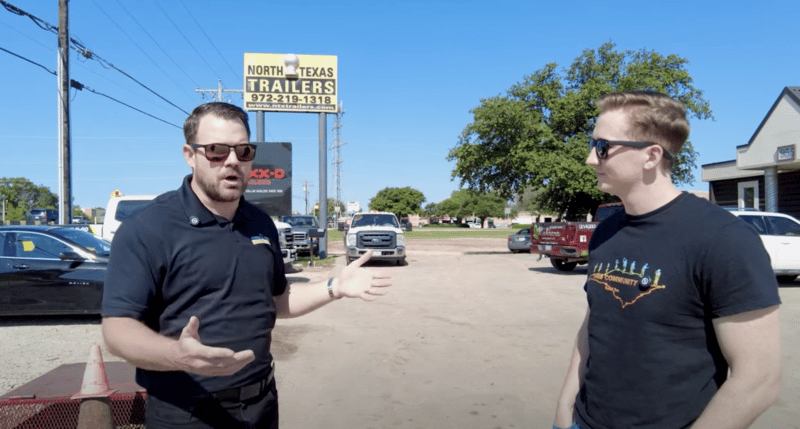
I recently spent time with Shane, known as “The Texas Trailer King,” who has grown his trailer dealership to an impressive $10.5 million in annual revenue.
I’ve broken down the most valuable tactics he shared with me, from revenue mix to fleet focus, inventory management, multiple locations, service and repairs, and more.
If you’re in the trailer business or thinking about getting in, this is the stuff you need to know.
Here’s the first thing I learned walking through Shane’s operation – you can’t put all your eggs in one basket. The real money comes from multiple streams:
Shane’s average trailer is $9,000, and yes, that’s great. But what keeps him stable? It’s having his hands in everything.
When trailer sales slow down (and they will), Shane can use other revenue streams to keep the lights on and continue to provide stability during market fluctuations.
Shane is a big fan of fleet customers, they’re absolute game-changers. He specifically goes after businesses that run multiple trailers.
Whatever they need, they will always come back. It’s like having a subscription business in the trailer world.
This one’s crucial, and Shane learned it the hard way. Success in this business isn’t just about having inventory – it’s about having the RIGHT inventory and managing it properly:
You want to make sure you monitor your inventory regularly – every day a trailer sits, it costs you extra money, and unsold inventory isn’t smart.
Shane strategically places his locations 30 minutes apart, close enough to share inventory, but far enough to avoid cannibalization.
This isn’t just about having multiple locations; it’s about how they work together.
When a customer walks in, they have access to everything they own, not just what’s on that lot.
Shane is very clear about this tactic – your compensation structure can make or break your growth.
When the company wins, everyone wins – that’s not just talk, it’s in their paychecks.
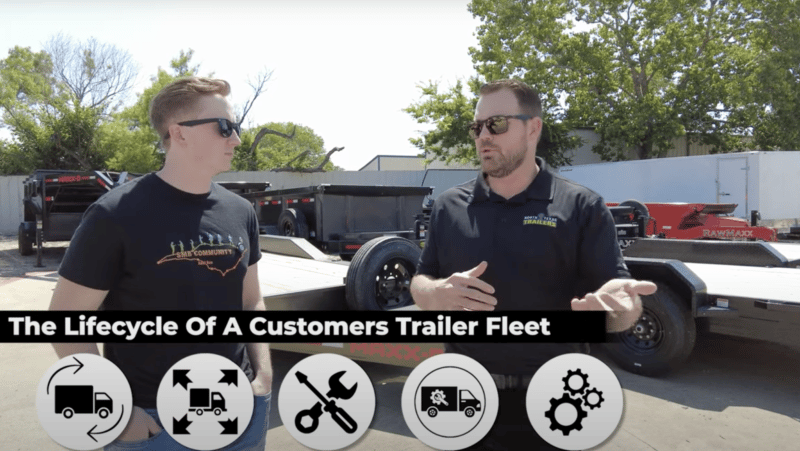
Want to know where the real opportunity is? It’s in expanding your service capabilities beyond basic trailer work.
Shane’s technicians are trained across multiple specialties because versatility equals profitability.
Here’s something most dealers miss – strategic partnerships can double your business if you do them right.
We partnered with rental companies – they store their trailers on our lot, and we get all their repair work and first shot at sales when they upgrade their fleet.
In this case, you’re not just a dealer anymore, you’re part of a larger ecosystem.
If you want to grow fast in this business, you need to think like a B2B company, not a retail store.
The whole service model is built around getting business customers back on the road as quickly as possible.
Here’s the truth – competing on price is a race to the bottom.
When a business owner needs a trailer, they’re not just buying the metal – they’re buying the confidence that you’ll keep them running.
Let me share something crucial about inventory – it’s not about having everything, it’s about having the right mix.
Remember to constantly watch what moves and what sits, and adjust to demand.
These tactics can work, but they’re not a magic bullet. Every market is different, and you’ll need to adapt these strategies to your situation.
For another trades success story, see my piece on Randy Holt's well drilling journey. See From Well Drilling To Success.
Business insights like Shane's are what we share in Scalepath peer groups. See Scalepath.
Many dealers have tried to implement everything at once and get overwhelmed. Start with what makes sense for your business right now.
Focus on building one area at a time. What I’ve learned is that the most successful dealers aren’t just selling trailers – they’re building a complete solution for their customers.
Follow me on X for more content like this.